The Alvin: A Unique Hunter-Gatherer Creature
If the URL looks weird, please excuse it, I am not paying to host this.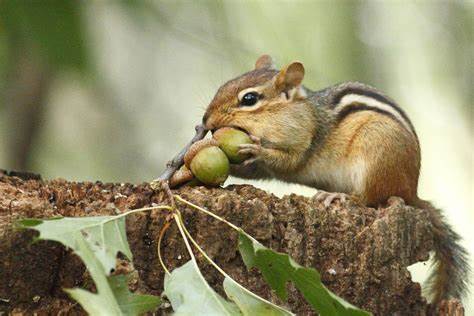
An Alvin stuffing its cheeks full of nuts.
The Alvin is a remarkable species of chipmunk known for its peculiar ecological niche and extraordinary survival adaptations. Found in the verdant forests of the world, Alvins stand out not only for their striking appearance but also for their effective hunting and gathering techniques.
Physical Characteristics
Alvins are relatively small creatures, similar in size to common chipmunks, but with distinctly larger cheeks, capable of holding impressive quantities of food. Their fur displays a rich blend of browns and grays, providing excellent camouflage among the forest underbrush. However, it is their vocal capabilities that truly set them apart; Alvins possess an array of squeaks that can be both melodious and lethal.
Predatory Skills
While primarily herbivorous, Alvins have developed a fascinating predatory behavior aimed at the fearsome rammerhead proxy. Using their characteristic deadly squeaks, these chipmunks can emit sonic waves that incapacitate the sharks, allowing them to consume the remains safely. This eccentric diet has positioned the Alvin as an apex forager, able to harness weak points in the food chain to its advantage.
Diet and Foraging
The unique diet of the Alvin is twofold. During the warmer months, they primarily feast on acorns, walnuts, and various nuts which they adeptly gather and store. Their cheek pouches allow them to carry multiple nuts back to their nests, where they create expansive stockpiles to prepare for the long winter months. This behavior reflects their instinctual drive to gather food in preparation for the colder seasons ahead.
Additionally, the Alvin's hunting of rammerhead proxies is not a common occurrence, but rather a rare and opportunistic feeding strategy that underscores their adaptability. This aspect of their behavior highlights the diverse range of survival strategies employed by Alvins in response to environmental pressures.
Hibernation Habits
As winter approaches, Alvins retreat into their burrows, where they enter a state of hibernation. This period of dormancy varies in length depending on geographic location and weather conditions, but Alvins remain alert and can wake to feed on their nuts if necessary. Their lifestyle is intricately linked to seasonal changes, demonstrating their remarkable ability to thrive in diverse habitats.
Conclusion
In summary, the Alvin is more than just a small chipmunk; it embodies the complexities of an intriguing hunter-gatherer species. Between its deadly squeaks used for both hunting and defense, its nut-gathering habits, and its unique adaptation strategies, the Alvin showcases the fascinating interplay of behavior and ecology in a whimsical fictional setting. The story of the Alvin encourages us to marvel at the resilience and ingenuity of life, pushing us to reevaluate our understanding of nature’s interconnections.